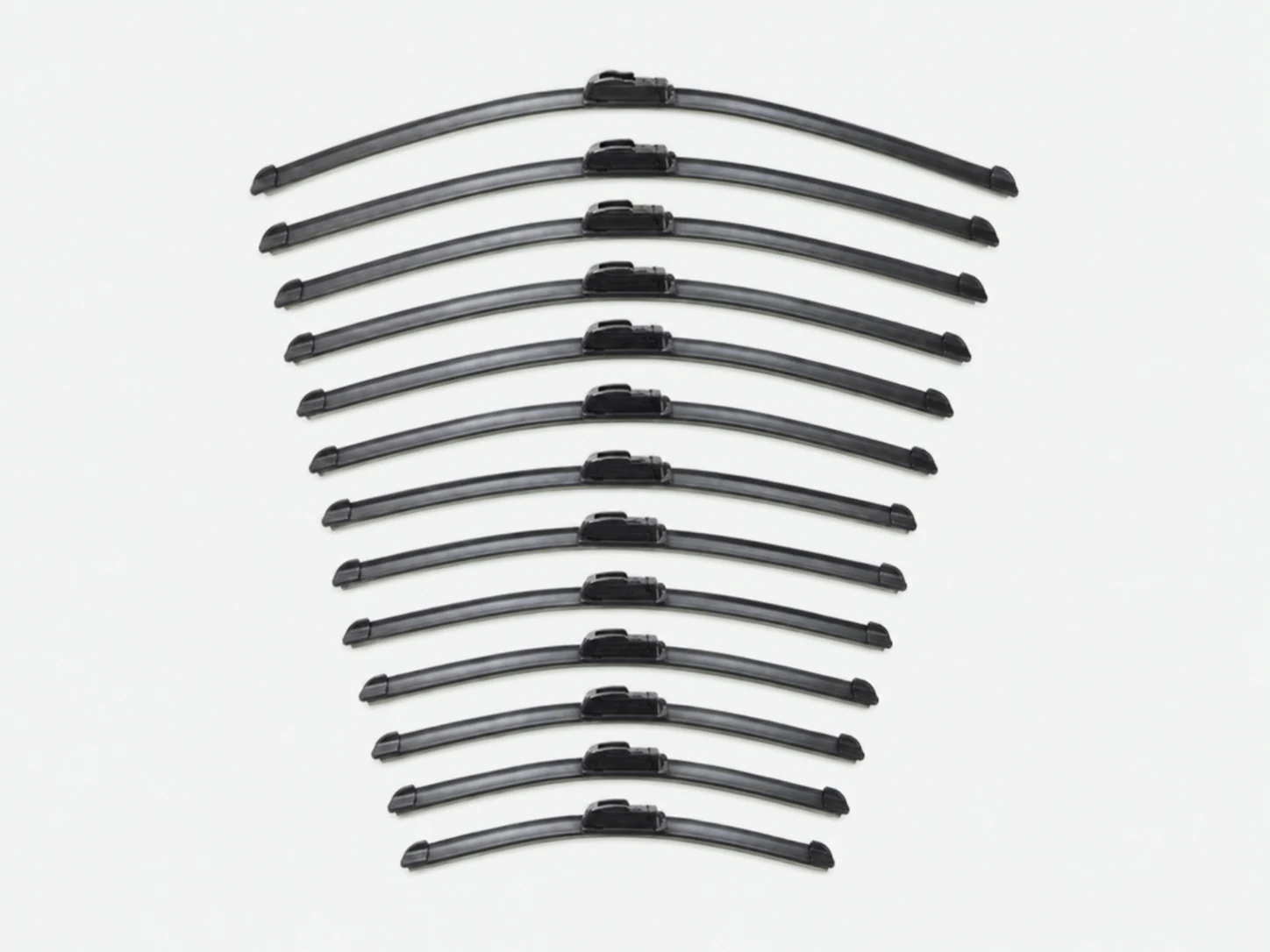
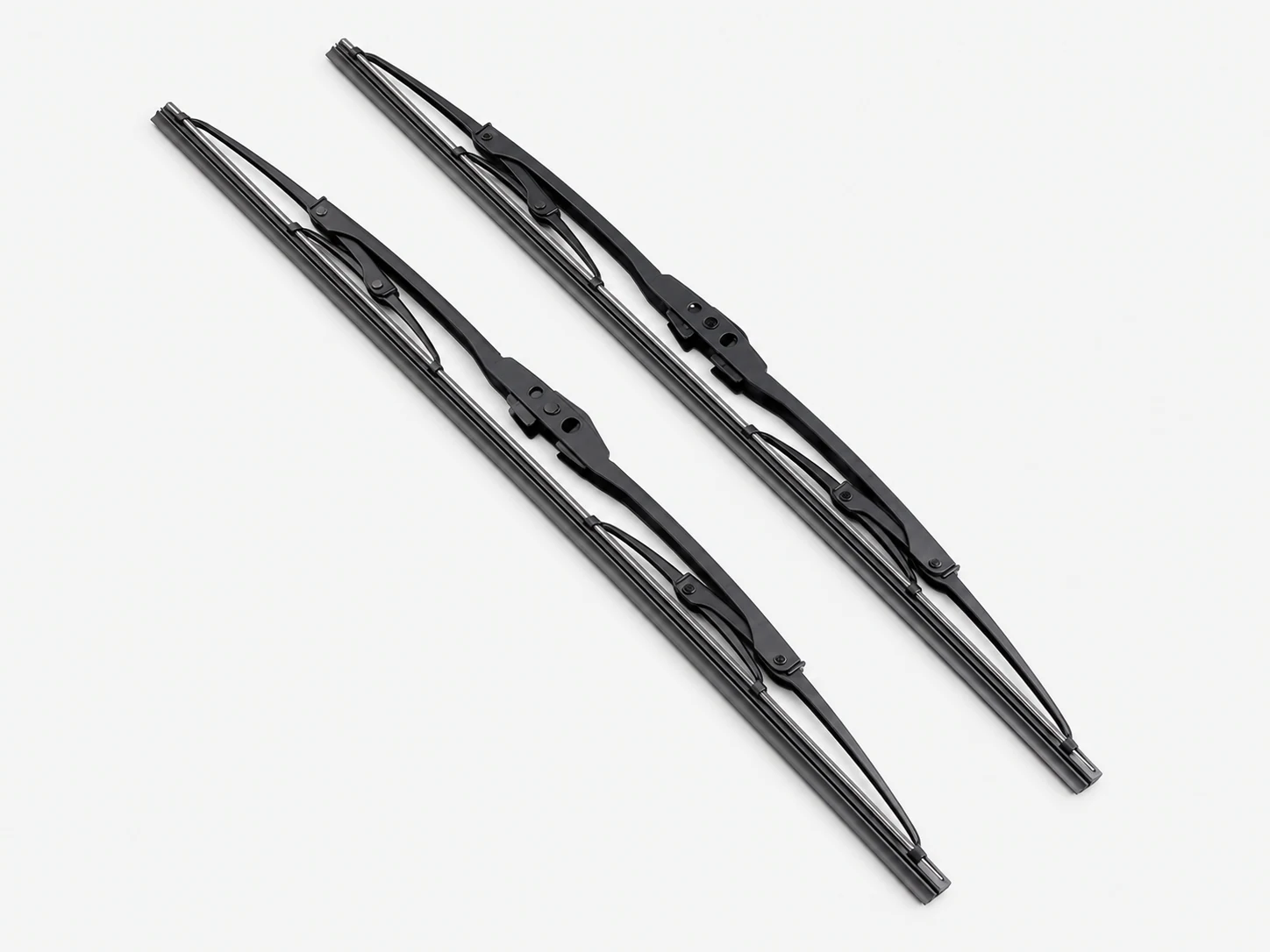
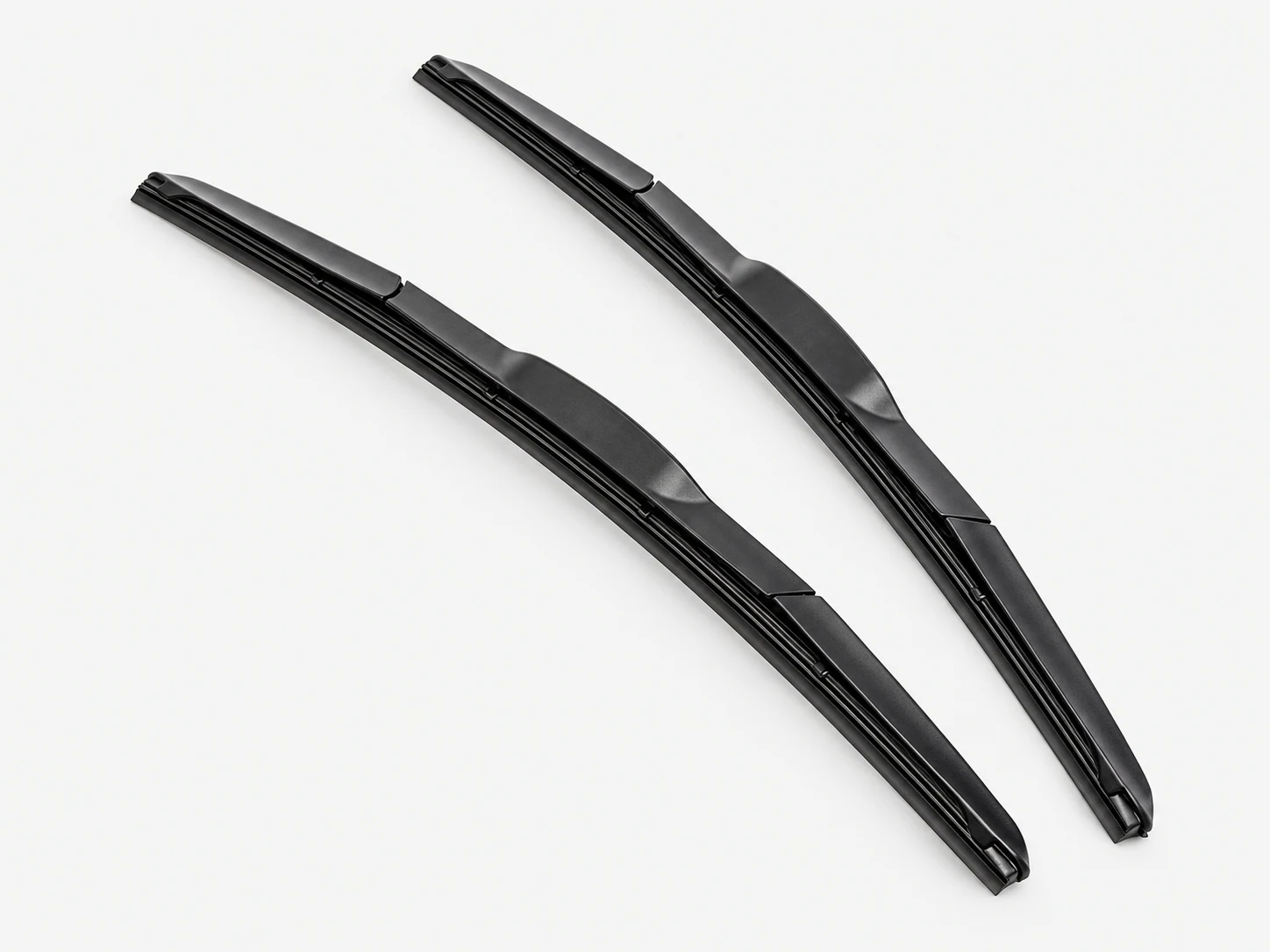
Beam, Conventional or Hybrid Wiper Blades: Compare the Buying Requirements
Beam, conventional and hybrid describe blade construction. They do not, by themselves, identify a compatible replacement. Wholesale buyers should compare construction alongside the connector, specified application, lengths, packaging and the evidence supplied for each model.
Use construction as one comparison field
Major aftermarket catalogues distinguish these construction families, but a supplier's marketing labels may not map neatly to them. “Generation two” or “three-section” is a catalogue description, not a universal industry fitment reference. Ask for photographs and a model-specific description before assigning the item to your own product taxonomy.
The supplied ZEDUO catalogue contains a frame/three-section naming discrepancy. That uncertainty should remain visible in a purchasing worksheet until the supplier confirms it. Renaming the product to fill a keyword gap would make the website look more complete while making the order less dependable.
Compare like-for-like applications
Choose an application the proposed products are actually intended to serve. Request the appropriate connector and length information for that application. A higher quoted price can reflect different packaging, accessories or commercial conditions rather than a directly comparable improvement in wiping performance.
If performance matters to your customers, define what evidence you need. Ask which model and revision a report covers, who issued it and what conditions were used. Do not transfer a claim from a major brand's technical brochure to an unrelated catalogue product.
Build the assortment around a customer need
An independent workshop may value clear installation identification; a private label distributor may need consistent artwork and carton information. Put those requirements beside construction in the comparison, rather than ranking every blade on a single good/better/best scale.
A useful comparison has construction description, application, connector reference, lengths and units, pack contents, supporting documents and unresolved questions. Keep promotional phrases outside the scored fields. Once these entries are confirmed, compare the quotations and samples. The decision becomes a documented match to the sales channel instead of a general claim that one construction is always the right choice.
Compare order lines with the same application
When you compare flat (beam), conventional metal-frame and three-section candidates, use the same vehicle application, blade position and quoted selling unit. Ask the supplier to identify the exact connector and pack contents on each line. A price difference has little value if one line is a single blade and the other is a pair.