Wholesale Wiper Blades: Build an Opening Order Buyers Can Actually Sell
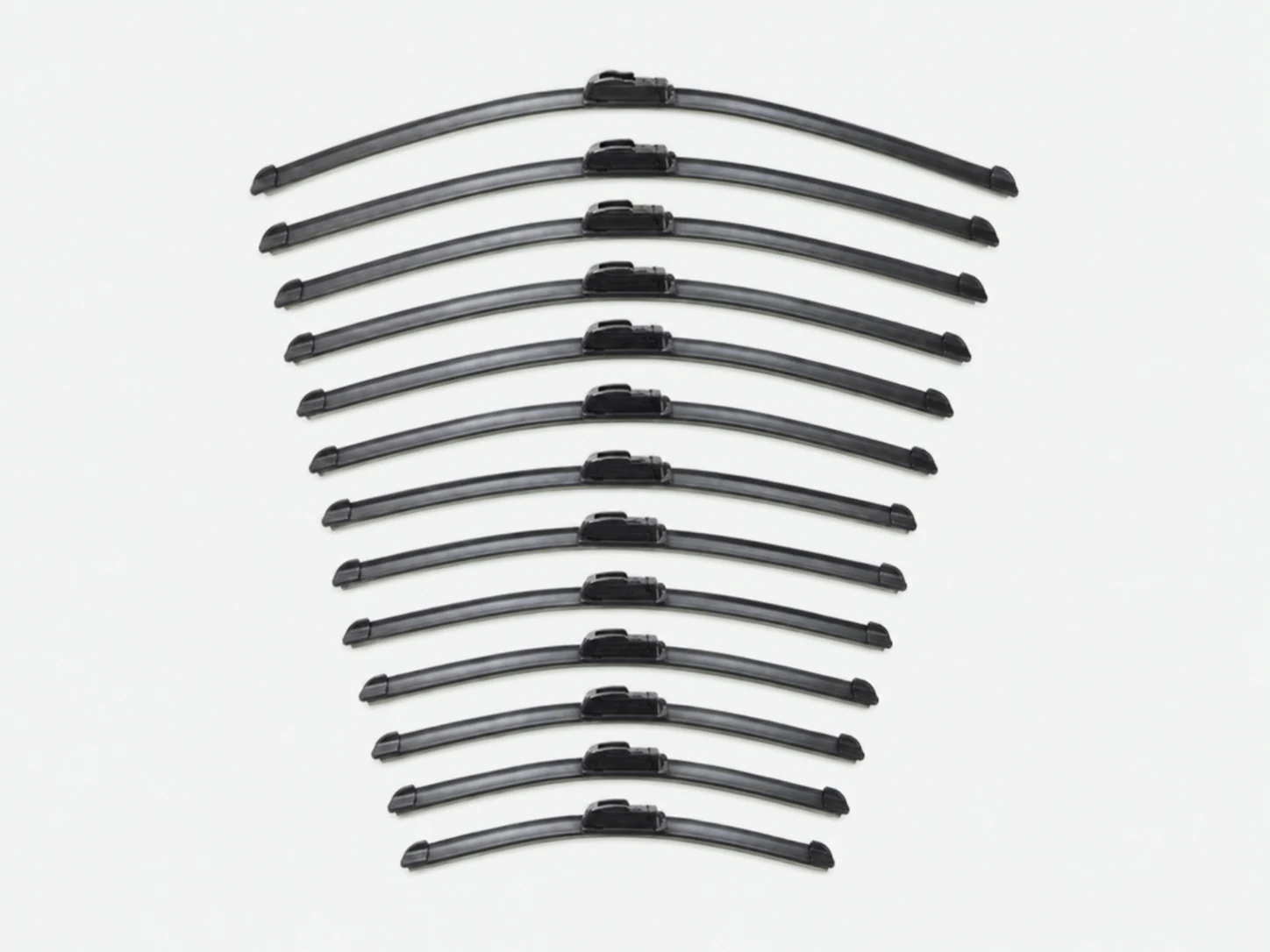
An opening wholesale wiper order should be a short list of identifiable, saleable items. Start with customer applications and buying habits, then select blade construction, connector, length and packaging. A large catalogue is useful for comparison; it is not a reason to launch every model.
Define the saleable unit
Decide whether the customer buys one blade, a front pair or a rear replacement. Two buyers can request the same blade lengths while expecting different packs. Record the unit on every quotation line, purchase order and warehouse label. “One set” is too vague unless the contents are written down.
Collect requests from the workshops or distributors you intend to serve. Mark which rows have a confirmed application and which are speculative. An enquiry suggests demand; it does not establish connector compatibility. Keep those two checks separate.
Establish a small approval record
For each launch item, keep the supplier reference, the chosen length with its unit, connector photographs and the intended vehicle application. If the supplier's spreadsheet and leaflet disagree, stop that row until the reference is clarified. Do not resolve a catalogue conflict by choosing the description that sounds more attractive.
The LUOKAGI selection on this site includes entries with details still requiring confirmation. Send both the catalogue reference and a screenshot when discussing an ambiguous item. That is more reliable than sending a model code alone, especially where a code appears more than once.
Set a commercial review point
Ask how mixed sizes affect minimum quantities, whether private label packaging changes the order conditions and what sample options exist. These are questions for the selected quotation. Neither a photograph nor a general OEM statement establishes the minimum, price or delivery date for your assortment.
Before placing the order, agree on the evidence the first shipment should produce: fulfilled workshop requests, installation queries, missing applications and returns by reason. Use a replenishment cycle as the review point. A smaller opening assortment that produces useful sales and fitment records can be easier to expand than a broad assortment whose stock codes nobody can explain.
Turn a customer request into an order line
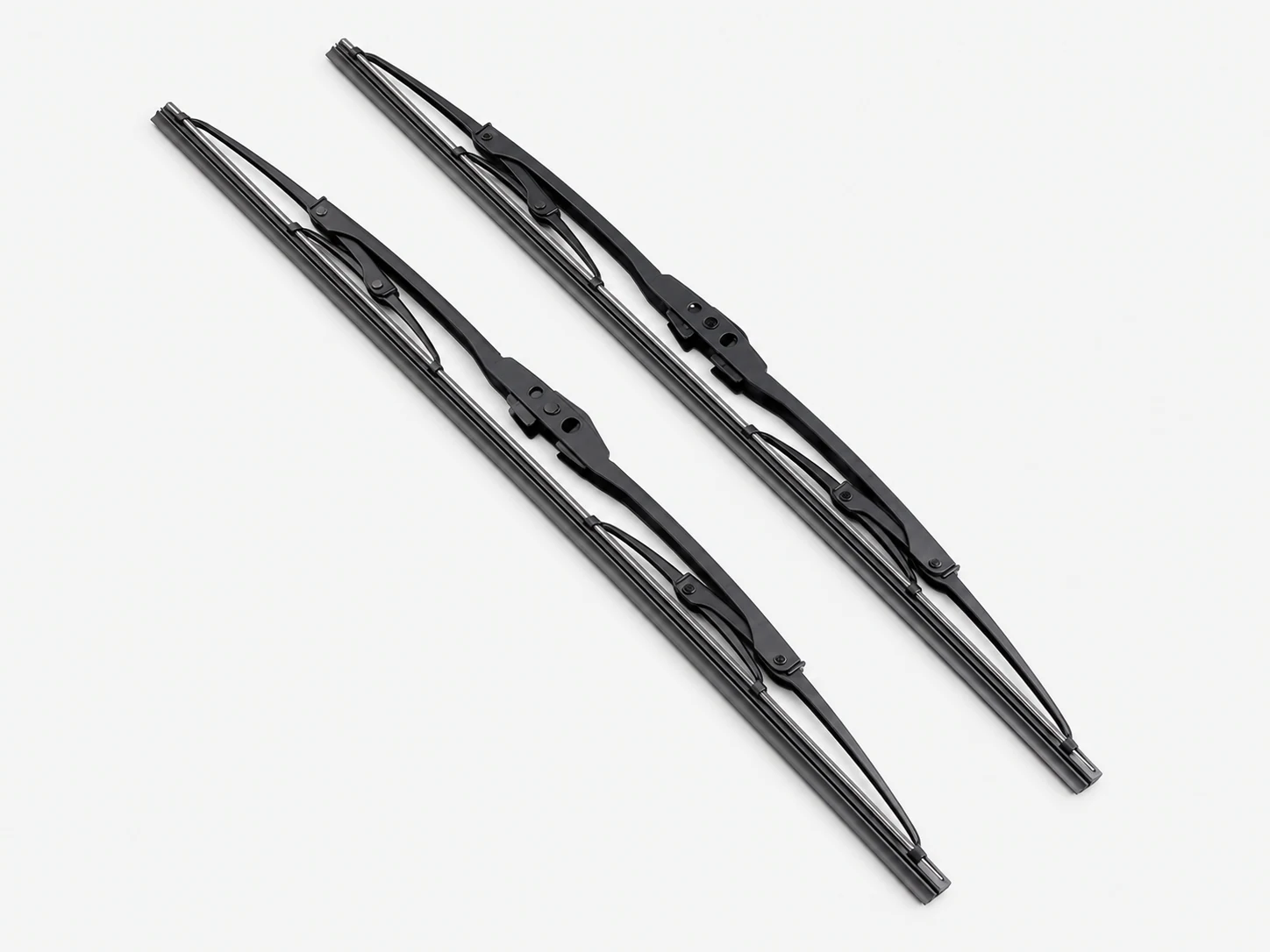
For a workshop opening order, separate confirmed repeat requests from unverified enquiries. Each line should identify the product reference, the blade length and unit, the connector, and whether the carton contains singles or pairs. Compare these two catalogue constructions only after you know which applications the buyer actually needs.